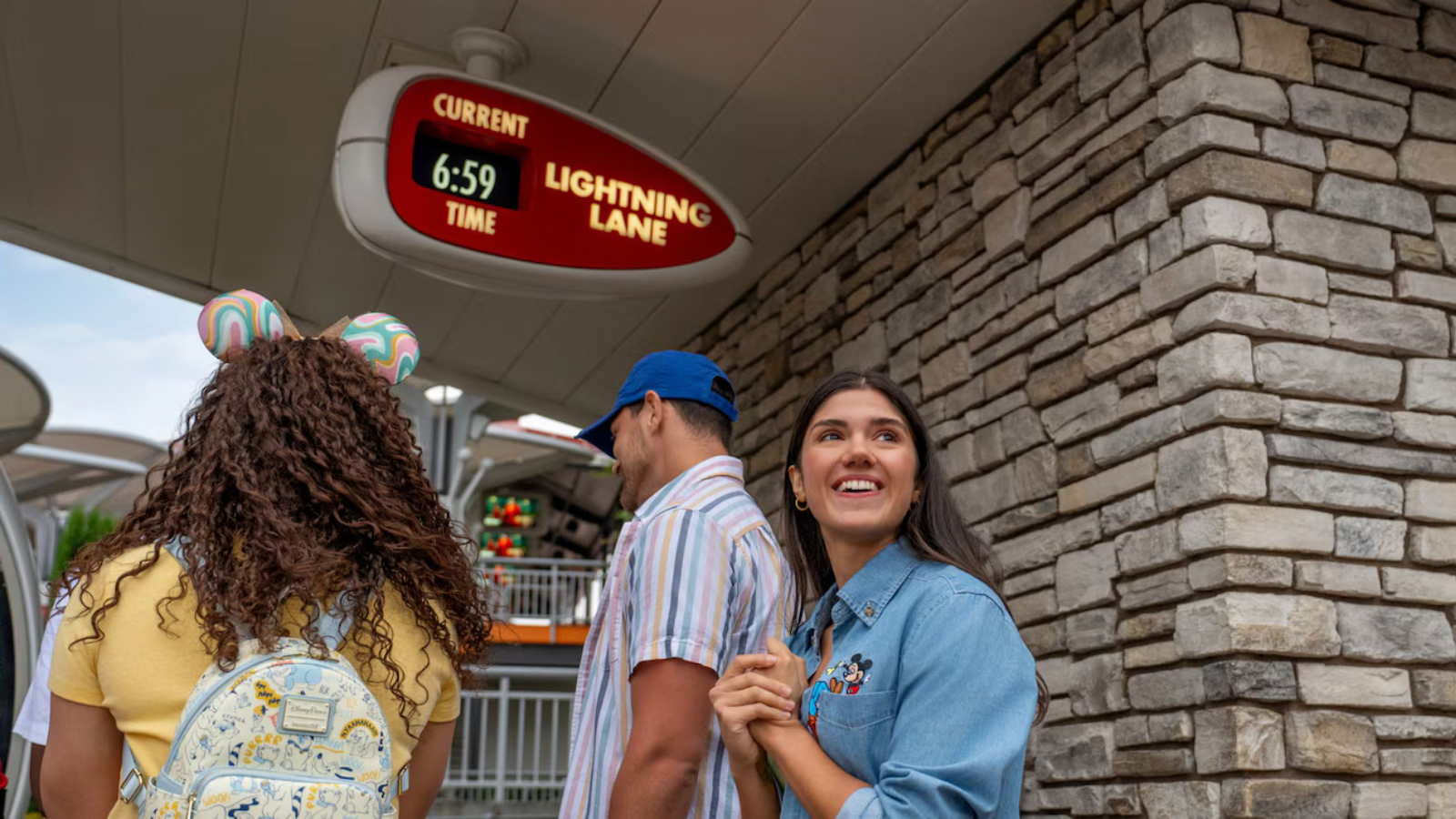
Lightning Lane Premier Pass is Disney's top-tier line-skipping product, a single-purchase pass that grants one-time priority access to every Lightning Lane attraction in a given park on a given day. It launched at Walt Disney World on October 30, 2024, and at Disneyland in 2025. The headline number is the price: depending on the park and date, you'll pay between $129 and $449 per person, per day. Whether that math works depends on which park you're visiting, what day you're going, and how you define a successful Disney day.
This review walks through what Premier Pass actually buys you, current 2026 pricing patterns, how it stacks up against the cheaper Lightning Lane Multi Pass and Single Pass tiers, and the specific cases where it's worth the spend.
Quick Summary
Best For: Once-in-a-while Disney visitors with one or two days at the parks, families willing to spend for guaranteed throughput on peak-crowd days, and travelers who specifically want to hit the most attractions at Magic Kingdom or Hollywood Studios.
Standout Benefit: One purchase, one tap at every Lightning Lane entrance. No 7 a.m. booking scramble, no monitoring return windows, no scrolling through availability between rides.
Biggest Drawback: At Walt Disney World, Premier Pass is locked to a single park per day. No park hopping, no second-park use. Disneyland's version does allow hopping between Disneyland Park and Disney California Adventure.
Pricing: $129 to $449 per person, per day, varying by park and date. As of April 2026, peak holiday weeks consistently hit the upper end of that range.
What Premier Pass Actually Is
Disney sells three Lightning Lane products. Lightning Lane Multi Pass is the modern replacement for FastPass and Genie+, letting you pre-book three attractions for the day and add more as you use them. Lightning Lane Single Pass is the a-la-carte upgrade for the headliner rides Multi Pass excludes. Premier Pass is the all-inclusive tier sitting on top of both.
With Premier Pass, you get one Lightning Lane entry at every Lightning Lane attraction in your chosen park. There are no return windows to manage. You don't book time slots. You walk up to any Lightning Lane queue during park hours and tap through. Each attraction can be used once via Premier Pass, though you can still ride the standby line as many times as you want, and you can layer on Multi Pass or Single Pass purchases the same day if you want a second Lightning Lane ride.
The pass also includes Disney PhotoPass downloads of select attraction photos and on-ride videos. That's a roughly $80 standalone benefit if you'd otherwise pay for Memory Maker.
The model is closest to Universal's Express Pass: pay a premium, walk past the lines, don't think about it again.
2026 Pricing by Park
Disney prices Premier Pass dynamically. The same pass at Magic Kingdom can cost $329 on a quiet Tuesday in September and $449 over Christmas week. As of April 2026, here's the working range at Walt Disney World:
- Magic Kingdom: $329 to $449 per person, per day
- Disney's Hollywood Studios: $269 to $349 per person, per day
- EPCOT: $169 to $249 per person, per day
- Animal Kingdom: $129 to $199 per person, per day
Disneyland's version trends lower, typically $300 to $400 per person, per day across both California parks combined.
Expect the highest pricing during the weeks Disney has historically run peak surcharges: Presidents Day, spring break, the week of July 4th, Thanksgiving week, and the December 21 through New Year's Day stretch. Premier Pass routinely sells out for Magic Kingdom and Hollywood Studios on those dates, particularly in the first few hours after the booking window opens.
A family of four going to Magic Kingdom on Christmas week is looking at roughly $1,800 just for the line-skipping product, on top of tickets, hotel, and food. That's the math you have to face with this product.
Who Can Buy It and When
Disney has loosened access restrictions since launch. As of April 2026, anyone with a valid park ticket can purchase Premier Pass, but the booking windows still favor on-property guests:
- Disney resort guests: 7 days in advance of the hotel stay
- Off-site guests: 3 days in advance
- Disneyland guests (any lodging): 2 days in advance
The booking window opens at 7 a.m. Eastern Time. On peak dates, Magic Kingdom and Hollywood Studios sell out within minutes. If you're targeting a holiday week, set an alarm.
What's Included
Coverage varies by park, but Premier Pass includes every Lightning Lane attraction operating that day — both the Multi Pass roster and the Single Pass headliners.
Magic Kingdom (around 20 Lightning Lane attractions): Seven Dwarfs Mine Train, TRON Lightcycle / Run, Space Mountain, Big Thunder Mountain Railroad, Haunted Mansion, Pirates of the Caribbean, Jungle Cruise, Peter Pan's Flight, plus the rest of the Lightning Lane lineup.
EPCOT: Guardians of the Galaxy: Cosmic Rewind, Remy's Ratatouille Adventure, Frozen Ever After, Soarin' Around the World, Spaceship Earth, Test Track (when operational after its 2025 refurbishment).
Disney's Hollywood Studios: Star Wars: Rise of the Resistance, Mickey & Minnie's Runaway Railway, Slinky Dog Dash, Rock 'n' Roller Coaster, Tower of Terror, Millennium Falcon: Smugglers Run.
Animal Kingdom: Avatar Flight of Passage, Expedition Everest, Kilimanjaro Safaris, Na'vi River Journey, DINOSAUR.
The complete day-of list lives on Disney's official Lightning Lane page. Real-time pricing history and sell-out tracking is well-covered by Thrill Data.
Comparing Premier Pass to the Cheaper Tiers
The honest case against Premier Pass is that the $20 to $35 Multi Pass plus a Single Pass or two often delivers most of the same throughput at a fraction of the cost. Here's a representative Magic Kingdom day in April 2026:
- Lightning Lane Multi Pass: about $32 per person
- Single Pass for Seven Dwarfs Mine Train: about $13 per person
- Single Pass for TRON Lightcycle / Run: about $21 per person
- Total: about $66 per person
Compare that to Premier Pass at $329 to $449 for the same Magic Kingdom day. You're paying five to seven times more. What you're buying with the upcharge is:
- No 7 a.m. booking scramble. Multi Pass requires you to be online when the booking window opens or risk having popular slots taken.
- No return-window management. Premier Pass works whenever you walk up.
- Guaranteed access to every ride. Multi Pass tiers you into return windows that may push later than you want.
If you're a planner who's comfortable working the Multi Pass system, the cheaper combination wins on pure cost. If you're a tourist with one Disney day in your trip, Premier Pass buys back the morning you'd otherwise spend running the booking process.
The other comparison point is Disney's VIP Tour service, which starts around $450 per hour with a multi-hour minimum. A VIP tour buys you a guide and front-of-line at the standby entrance, not just Lightning Lane. That's a different product at a much higher total cost.
When Premier Pass Is Worth It
Premier Pass is at its strongest in four scenarios:
Special-occasion trips with one shot at the parks. Anniversaries, milestone birthdays, family reunions where everyone flew in for two days. You're not coming back next month. The cost of missing a headline ride feels worse than the cost of the pass.
Cruise-day Disney detours. Passengers on a Disney Cruise Line sailing who want to spend a single day at Magic Kingdom before or after the cruise. One day, ride-focused, no time to optimize Multi Pass.
Peak-crowd dates when the cheap tiers sell out. During Christmas week and spring break, Multi Pass return windows for the headline attractions disappear within an hour of the booking window opening. Premier Pass guarantees you don't get shut out.
Magic Kingdom and Hollywood Studios specifically. These two parks have the densest concentration of Lightning Lane rides. Visitors consistently report finishing the headliner list at Magic Kingdom by mid-afternoon with Premier Pass, which doesn't happen with the cheaper tiers on a busy day.
When to Skip It
The pass loses value fast in a few clear cases:
Animal Kingdom on most dates. Animal Kingdom is the lowest-crowd Disney park roughly 340 days a year. A regular Multi Pass handles it. Premier Pass at $129 to $199 is paying for line-skipping you don't need.
EPCOT during shoulder season. EPCOT's spread-out layout means walking time, not line time, dominates your day. Premier Pass doesn't fix that. Visitors regularly report it underdelivers compared to Magic Kingdom value.
Multi-day trips with breathing room. If you have four park days and don't need to see every ride on day one, splitting attractions across days with cheaper Multi Pass beats Premier Pass on cost.
Show-and-dining-focused days. Disney is more than rides. If your day is signature dining, character meet-and-greets, parades, and live shows, you're not getting the throughput Premier Pass is designed for.
Budget-conscious families. A family of four at Magic Kingdom on a peak day is roughly $1,800 just for Premier Pass. That money buys an extra hotel night and three days of food, which often delivers a better trip than one day of front-of-line access.
Using Travel Rewards to Soften the Cost
Premier Pass goes on the Disney bill, which means it earns whatever your travel-card category covers. Disney park admission and food are billed by Walt Disney Parks and Resorts, which most major networks code as travel for purposes of bonus categories.
The straightforward play is to charge Premier Pass to a card that earns bonus points on travel. The Chase Sapphire Preferred (2x on travel) and Chase Sapphire Reserve (3x on travel after the first $300 in travel credits) both earn at the travel rate on Disney charges. Capital One Venture and Venture X earn 2x and 2x respectively on every purchase, so the category coding is moot.
The Disney Visa from Chase earns 1% back on most purchases and adds Disney-specific perks like character meet-and-greet access and merchandise discounts, but the rewards rate trails general-purpose travel cards. Use Disney Visa for the perks, not the points.
You can also pay with points if your card portal allows it. Most Ultimate Rewards and Membership Rewards redemptions pay out at one cent per point against a statement credit, which is below the value you'd get transferring those points to airline or hotel partners. Use cash for Premier Pass. Save points for outsized-value redemptions elsewhere on the trip.
Practical Tips
A few things worth knowing before you commit:
- Buy early. On peak dates, Magic Kingdom Premier Pass sells out within the first hour of the 7 a.m. ET window. Disney resort guests have a 7-day jump on off-site guests, which matters most on holiday weeks.
- Premier Pass is non-refundable. Disney's standard policy applies. If your day gets rained out, you don't get a refund. Trip insurance is worth a look on the largest purchases, especially for holiday-week trips.
- Check the operating ride list day-of. A headliner being down for refurbishment changes the value math. Premier Pass at Hollywood Studios with Rise of the Resistance offline is a meaningfully worse deal.
- Single park, single day at WDW. Don't buy Premier Pass and then change your mind about which park to visit. The pass doesn't move with you.
Bottom Line
Lightning Lane Premier Pass is a premium product solving a specific problem: you have one Disney day, you want to ride everything, and you don't want to spend the morning managing a booking app. For the right traveler on the right day, it delivers. For most other visitors most other days, the Lightning Lane Multi Pass and Single Pass combination handles the same job at a fraction of the cost.
The clearest case for Premier Pass is Magic Kingdom or Hollywood Studios on a peak-crowd day, on a special-occasion trip where the marginal cost is small relative to the rest of the vacation. The clearest case against it is Animal Kingdom on a Tuesday in September. Most days fall somewhere in between, and the right call depends on which side of that spectrum your specific visit lands on.
If you do buy in, charge it to a travel card that earns at least 2x on travel and treat Premier Pass as part of the trip-budget conversation, not a separate splurge. The math works best when the rest of the trip is already optimized.
This article contains affiliate links. If you apply through our links, we may earn a commission at no cost to you, which helps us continue sharing points and miles strategies with the community.
Some of the links in this article are affiliate links. We may receive a small commission at no extra cost to you if you apply through these links. This helps us keep the site running and continue creating free content.