French Polynesia draws travelers willing to spend serious money for overwater bungalows, lagoon snorkeling, and Society Islands scenery. Most face the same choice: park at one resort and stay put, or stitch together inter-island flights and multiple check-ins. Paul Gauguin Cruises offers a third path. One 330-passenger ship, year-round in French Polynesia, hitting five or six islands in a week.
This review breaks down what the single-ship operation actually delivers, what it costs in 2026, and which travelers will get their money's worth.
Quick Summary
Paul Gauguin Cruises runs one vessel, the m/s Paul Gauguin, on seven to 14-night itineraries through Tahiti, Bora Bora, Moorea, Huahine, Raiatea, and Taha'a. The fare is mostly all-inclusive: meals, most drinks, Wi-Fi, and gratuities are bundled in. Entry-level cabins started near $4,000 per person for seven nights as of 2025 (verify current rates before booking), which lands close to a week at a mid-tier overwater bungalow resort, but with five or six islands visited instead of one.
About Paul Gauguin Cruises
Paul Gauguin Cruises operates as a niche luxury line built around a single ship. The vessel launched in 1997 and was purpose-built for French Polynesian waters. Ponant Explorations, the France-based expedition operator, acquired the brand in 2019.
The year-round Polynesia focus produces a few real advantages. No repositioning sailings burn weeks of the calendar. The crew develops deep local knowledge, the company has long-standing relationships with island vendors, and onboard programming reflects actual cultural detail rather than generic tropical theming. Larger lines that drop French Polynesia into a longer Pacific crossing once or twice a year can't match that depth.
The Ship Experience
The Paul Gauguin holds 330 passengers, putting it firmly in small-ship luxury territory. The vessel's age shows in places. Cabins lack USB charging built into the headboards, and some bathrooms feel dated compared to the newer Silversea and Seabourn ships. Recent refurbishments have kept public spaces and soft goods in good shape.
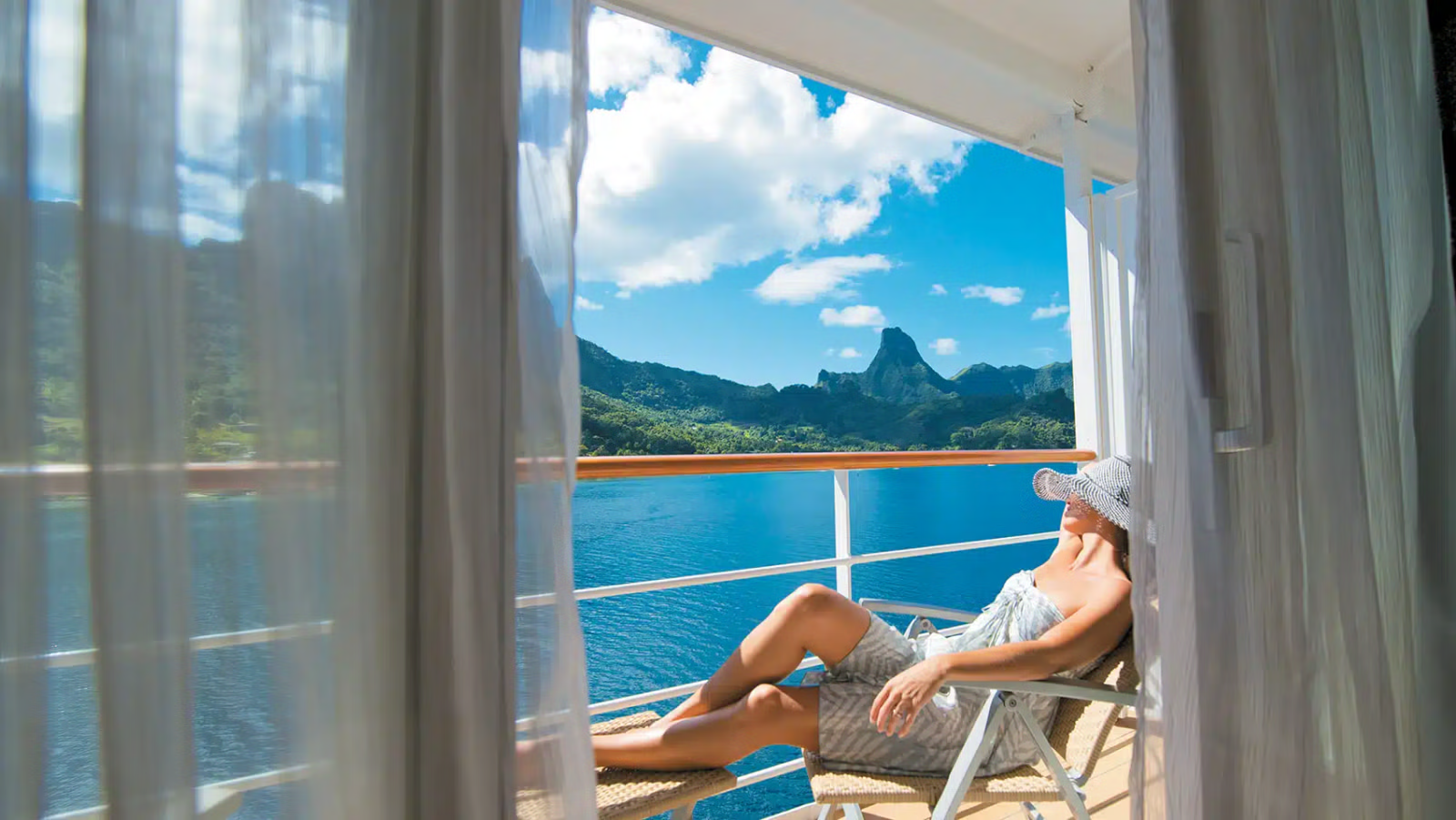
The older design also has its upsides. Upper decks are wide and uncluttered. Modern cruise ships at this passenger count tend to cram in pickleball, ropes courses, or mini-golf. The Paul Gauguin uses that space for sightlines instead, which is the right call given what's outside the rail.
Cultural Integration
This is where Paul Gauguin actually separates from the pack. The line employs significantly more Polynesian staff than typical cruise vessels, from guest relations to the ship's nurse. The result reads as an extension of the destination rather than a floating hotel that happens to be parked nearby.
Onboard, a troupe of resident Gauguins and Gauguines, local entertainers and cultural ambassadors, live aboard for full contracts and lead dance performances, ukulele lessons, and craft demos. Polynesian Night each sailing features traditional temporary tattoos, pareo-tying lessons, and a beach-style buffet.
The same approach extends to the galley. The head chef regularly visits markets in port for fresh fish, so menus rotate based on what came off local boats that morning. Yellowfin tuna, mahi-mahi, and ray's bream show up prepared in both French and Polynesian styles. That sourcing produces noticeably fresher fish than ships running on provisions loaded weeks earlier in a distant home port.
Itinerary and Destinations
Most sailings follow a seven-night Society Islands loop. Ten, 11, and 14-night options extend to the Marquesas or the Tuamotu atolls for travelers with more time and budget. The core seven-night itinerary visits Tahiti, Huahine, Raiatea, Taha'a, Bora Bora, and Moorea.
Each stop earns its place. Huahine offers clear-water lagoon snorkeling and ancient Polynesian temple sites. Raiatea has the only navigable river in French Polynesia, which makes for excellent kayaking through tropical landscapes. Bora Bora delivers the postcard scenery, overwater dining, and reef shark encounters that most travelers came for.
The ship typically anchors in protected bays rather than docking at industrial ports. In Huahine, that means Maroe Bay, one of the most scenic anchorages in the region. In Bora Bora, passengers wake up inside the famous lagoon itself. That positioning matters. Larger ships often have to dock at functional commercial ports and bus people in.
Motu Mahana Private Islet
Every itinerary includes a day at Motu Mahana, the line's private islet off Taha'a. The crew sets up a beach barbecue, kayaks, paddleboards, snorkeling gear, and traditional Polynesian activities. Unlike the manufactured private-island setups that mainstream lines run in the Caribbean, Motu Mahana feels closer to a beach day with a local crew. The programming leans into culture and water sports, not arcade games and chain-restaurant kiosks.
Dining and Onboard Experience
The ship operates with a relaxed, resort-like atmosphere that matches the setting. No formal nights, no enforced jackets, no dress code theatre. Dining venues include a main restaurant, a casual grill, and 24-hour room service. French technique meets local ingredients, and the regular use of just-caught fish lifts the food well above standard cruise fare. Continental breakfast in the cabin via room service is a good way to use the balcony.
Onboard facilities include a small spa, a fitness center, a library, and a water sports marina that deploys from the stern in calm anchorages. Travelers expecting the multi-restaurant, multi-bar density of a Silversea or Regent ship will find the Paul Gauguin smaller and quieter. That's the trade.
Cost Analysis
Pricing started around $4,000 per person for seven nights in entry-level cabins during off-peak sailings as of 2025 (confirm 2026 rates before booking — Polynesia pricing has been moving). Peak weeks and balcony suites push that figure substantially higher. The fare includes accommodations, all meals, most alcoholic and non-alcoholic beverages, Wi-Fi, and gratuities.
At roughly $570 per person per night for a couple at the entry-level rate, the cruise compares favorably to French Polynesia's overwater bungalow resorts, which routinely run $800 to $1,500+ per night before meals, drinks, and activities. The cruise also covers transportation between islands, which eliminates inter-island flights that run $200 to $400 per person per segment.
Airfare to Tahiti is the other line item. Expect $1,200 to $2,000+ from major U.S. cities, more from secondary markets. French Polynesia is genuinely remote, and there's no version of this trip that gets cheap.
Points and Miles Opportunities
Paul Gauguin Cruises doesn't partner directly with hotel or airline loyalty programs for earning points on cruise fares. The smart play is on the payment side. The Chase Sapphire Reserve earns 3x points on travel and treats cruise bookings as travel, plus it carries trip delay coverage, primary rental car insurance, and emergency medical benefits that all matter on a remote international trip.
The American Express Platinum offers similar travel protections and a Fine Hotels & Resorts portfolio that includes properties in Tahiti for pre- or post-cruise stays. Some agencies that book Paul Gauguin will let you pay the full fare on a credit card, which can produce a meaningful points haul on a $10,000-plus booking for two. Always confirm the agency processes the charge as travel rather than as a third-party services category.
Who Should Consider Paul Gauguin
This cruise works for travelers who prioritize destination over onboard amenities. The ideal passenger wants to see multiple French Polynesian islands without managing flights, transfers, and check-ins.
It particularly suits couples marking milestones. The intimate ship size, the romantic anchorages, and the cultural programming combine for the kind of trip people remember in detail. Travelers who value efficiency will appreciate unpacking once for a week of island variety. The largely all-inclusive structure also removes daily decisions about meals, drinks, and Wi-Fi charges.
Who Should Look Elsewhere
Families with young kids will struggle here. The Paul Gauguin has no kids' club, no significant family programming, and no dedicated children's spaces. Mainstream cruise lines do that work better.
Travelers who want a multi-restaurant, multi-bar, theater-and-casino cruise experience should look at larger luxury ships. The Paul Gauguin's strength is what's outside the windows, not what's inside the public rooms. Budget-conscious cruisers may also find better headline pricing on mainstream lines that occasionally drop a French Polynesia itinerary into a Pacific crossing, though those typically visit fewer islands and offer none of the cultural depth.
Comparison to Alternatives
Versus staying put at one resort, the Paul Gauguin offers more destination variety at competitive per-night cost. A seven-night sailing covers five to six islands. A resort stay covers one. Resort guests get larger accommodations and the genuine overwater bungalow experience, which is its own draw.
Other lines occasionally run French Polynesia itineraries, but none match Paul Gauguin's year-round presence and cultural integration. Windstar operates a similar small ship in the region part of the year. Princess and Celebrity include French Polynesia in longer Pacific repositioning cruises now and then.
The small size also matters operationally. The Paul Gauguin can anchor in bays and lagoons closed to larger ships, which produces more direct, intimate destination access. That same scale comes with fewer onboard amenities and higher per-passenger operating cost, which is reflected in the fare.
Booking Considerations
Sailing schedules stay consistent year-round, but pricing moves with demand. The most expensive sailings line up with North American winter, when the warm-weather escape demand peaks. Shoulder seasons offer better pricing while weather conditions remain strong, since French Polynesia has a fairly narrow swing between dry and wet seasons.
Book early. The ship's small inventory sells out months ahead during peak weeks, and the best cabin categories go first. Travel insurance is worth more than usual here. Comprehensive coverage with medical evacuation benefits is the bare minimum, given how far it is to a major medical facility from any of these islands.
Final Assessment
Paul Gauguin Cruises delivers a French Polynesia experience that successfully balances luxury travel with cultural authenticity. The product offers strong value for travelers who want to see multiple islands without the logistical lift of independent travel.
The ship's age and size cut both ways. It lacks the polish and amenity density of newer luxury vessels, but it offers destination focus and cultural integration that larger ships can't replicate. The anchorages, the local crew, and the daily fresh fish add up to a trip that doesn't feel manufactured.
For travelers who put destinations over onboard amenities, want a genuine cultural connection, and are comfortable with luxury rather than ultra-luxury rooms, Paul Gauguin Cruises is one of the strongest value propositions in a notoriously expensive corner of the world.
Planning Your Paul Gauguin Experience
Book well ahead, especially for peak sailings. Consider extending the trip with pre- or post-cruise nights in Tahiti to spread the cost of expensive international airfare across more on-the-ground days. Pack casual, tropical-weather clothing and water gear. Reef-safe sunscreen and water shoes will pay for themselves on day two.
Set realistic expectations. This isn't a party cruise or an activity-packed mega-ship adventure. It's a small-ship sail through some of the most scenic islands in the Pacific, with a crew that knows the place. For the right traveler, very few alternatives compete on that specific brief.
This review contains affiliate links. The Points Party may earn a commission when you book through our links, at no additional cost to you.
Some of the links in this article are affiliate links. We may receive a small commission at no extra cost to you if you apply through these links. This helps us keep the site running and continue creating free content.